AT A GLANCE
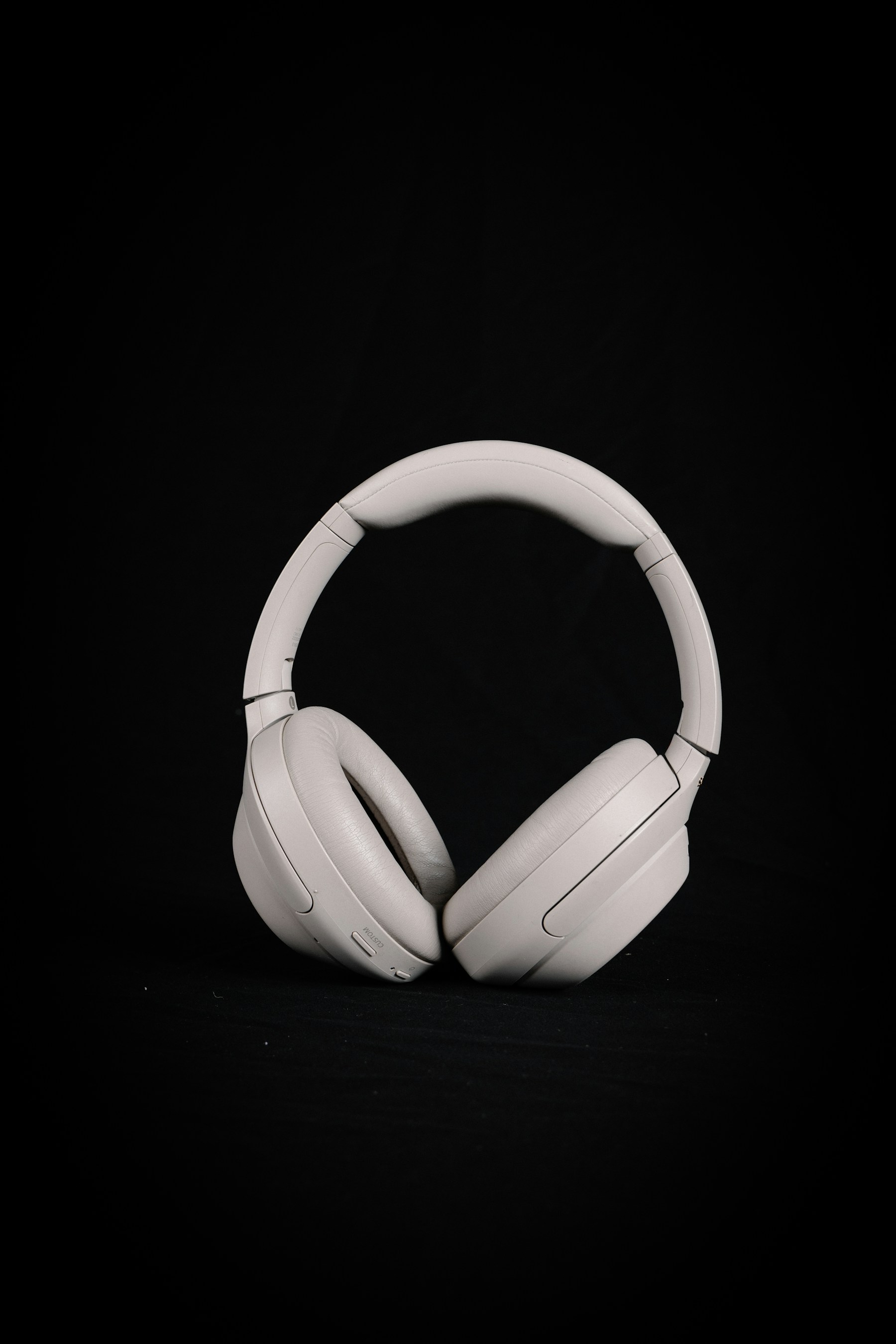
Sony WH-1000XM4
- Over-ear design
- 40 mm drivers
- SBC, AAC and LDAC
- 3.5 mm wired connection
Start with the journey, not the feature list
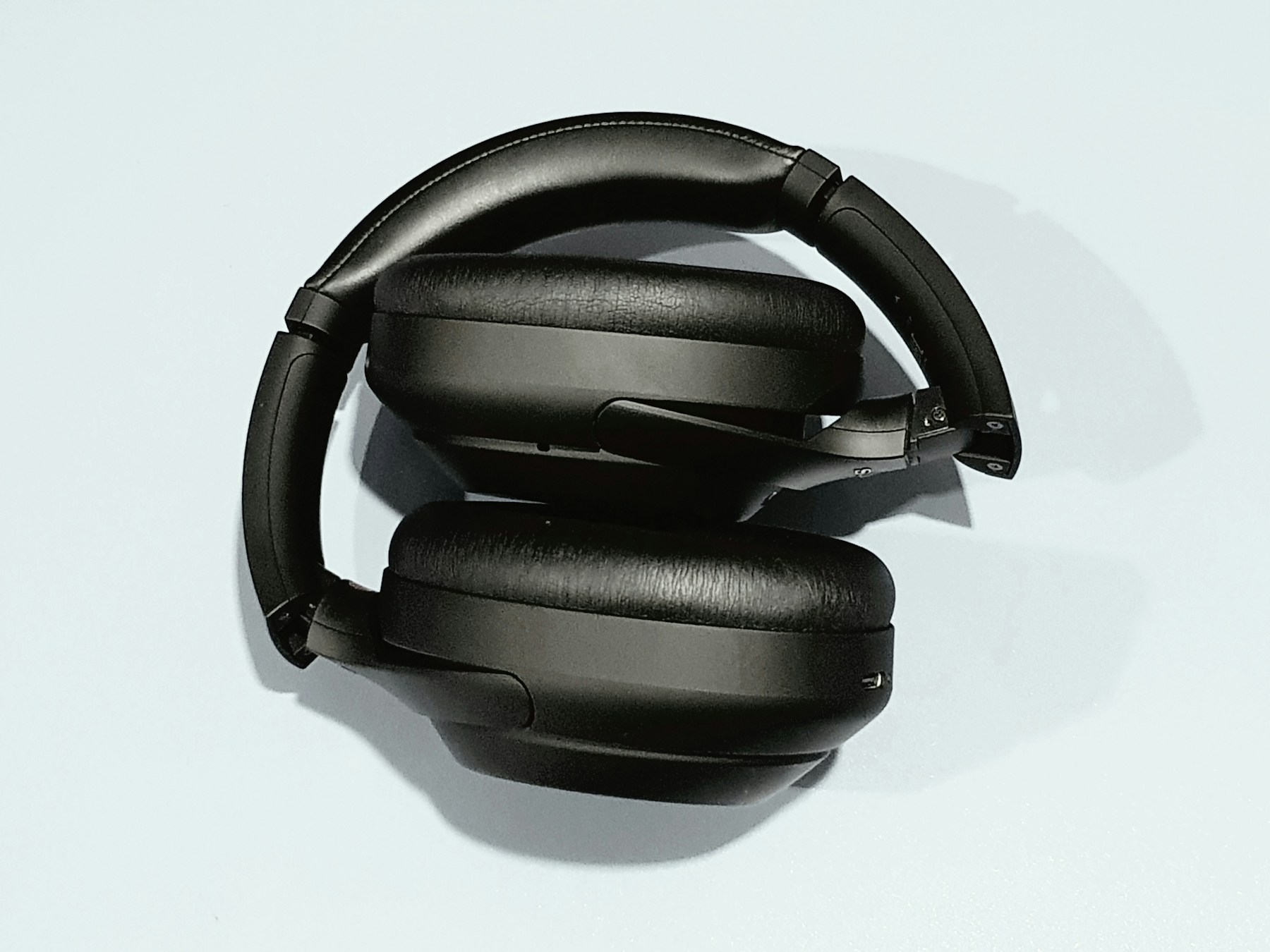
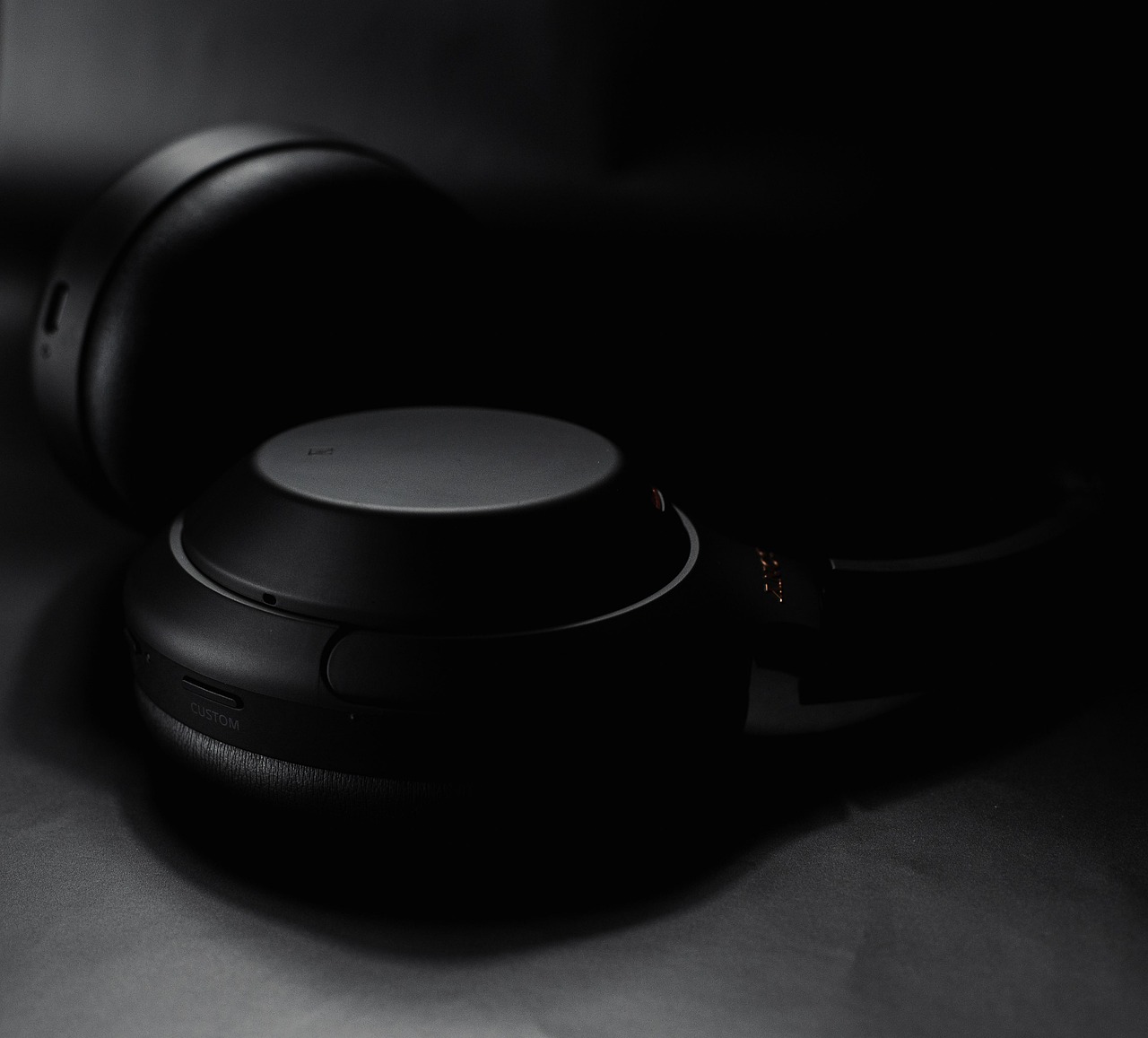
The WH-1000XM4 is built around a familiar travel problem: carrying a full-size pair of headphones without dedicating too much bag space to it. Its folding construction is useful for people who move between a train, a desk and a hotel room. A protective case still matters. Hinges and soft ear pads are exposed to wear, and simply folding a pair into a crowded bag is not a long-term care strategy.
Noise cancellation is part of the appeal, but it is not an invitation to assume every unwanted sound will disappear. Fit, the type of background noise and the listening environment all affect the result. Voices and sudden sounds are a different challenge from a steady background hum. We have not conducted an attenuation test on this unit, so this review does not assign a measured cancellation score or claim superiority over another model.
Connections should match the devices you own
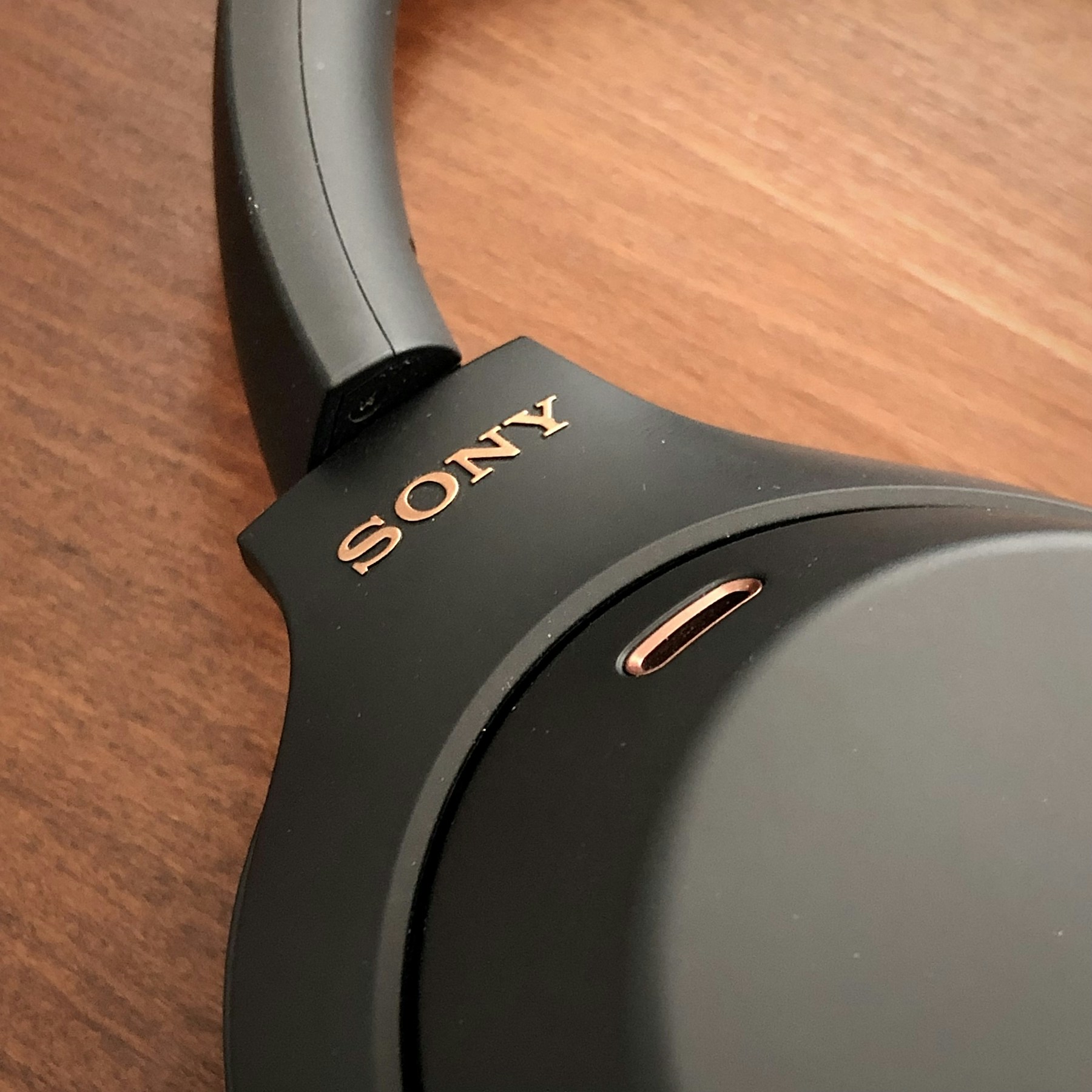
The supported codec list includes SBC, AAC and LDAC. Those options only matter in combination with the transmitting device and its settings. A label on a box does not guarantee a particular connection mode on every phone. Before buying, check what your phone or computer supports and whether the workflow you expect is available. Stability and ease of use may be more valuable in daily life than chasing a codec name.
The wired connection is a practical alternative for compatible equipment and situations where Bluetooth is inconvenient. It is worth keeping the appropriate cable in the case rather than discovering it is missing when you need it. Buyers should distinguish a charging port from an audio input; the presence of USB-C alone does not establish support for digital audio over USB.
Comfort is the test you must do yourself
Over-ear headphones create several contact points, and their suitability becomes clearer over time. Glasses, head size, hair and room temperature all influence comfort. A brief fitting can identify obvious pressure, but an easy return policy is more useful than a generic assurance that a model is comfortable. Check whether your ears sit freely inside the pads and whether moving your head breaks the seal.
For a used pair, examine the hinges, pad surfaces and charging behavior. Replacement pads can change the seal and listening experience, so ask whether the original parts are still fitted. Battery age is another uncertainty that a clean exterior will not resolve. Compare the complete cost, including any necessary maintenance, with a new alternative that includes warranty coverage. Avoid treating an old list price as proof of a bargain.
The trade-offs
What works
- Folding design is practical for packing
- Wired listening adds flexibility
- Codec options include AAC and LDAC
What to consider
- Comfort and isolation depend on individual fit
- USB charging is not a substitute for a USB audio input
- Used units require careful battery and pad checks
Who should buy it?
Commuters and travelers who want folding over-ear headphones, wireless listening and a wired fallback. Buyers who prioritize sports use, guaranteed personal comfort or measured microphone performance should investigate those needs separately.
THE LIGHTQUEST VERDICT
A considered choice
The WH-1000XM4 makes sense when its travel-oriented design and connection options solve a real need. Buy on fit, condition and total cost. Without hands-on listening or lab results, a confident claim about sound ranking would go beyond the evidence available here.
Sources & editorial notes
Sony: WH-1000XM4 specifications — consulted November 6, 2026. Specifications describe the named generation; software, availability and regional requirements may change.
Purchasing advice is editorial inference from documented features. No performance scores, first-hand listening claims or measured battery results are asserted. Full image credits · Affiliate disclosure.